Worldwide, an estimated 2.4 billion people require rehabilitation services
according to the World Health Organization. In Africa, millions of individuals face
disabilities due to stroke, injury, chronic disease, and neurological conditions—but
access to quality rehabilitation remains severely limited. Clinics and trained
professionals are scarce, especially in rural and post-conflict regions.
Consequently, many patients experience prolonged or incomplete recovery,
diminished independence, and decreased quality of life.
Traditional rehabilitation methods are labor-intensive, demanding significant effort from physiotherapists and often resulting in painful, time-consuming treatments for patients. This approach is not scalable and leaves many without adequate support.
The Solution
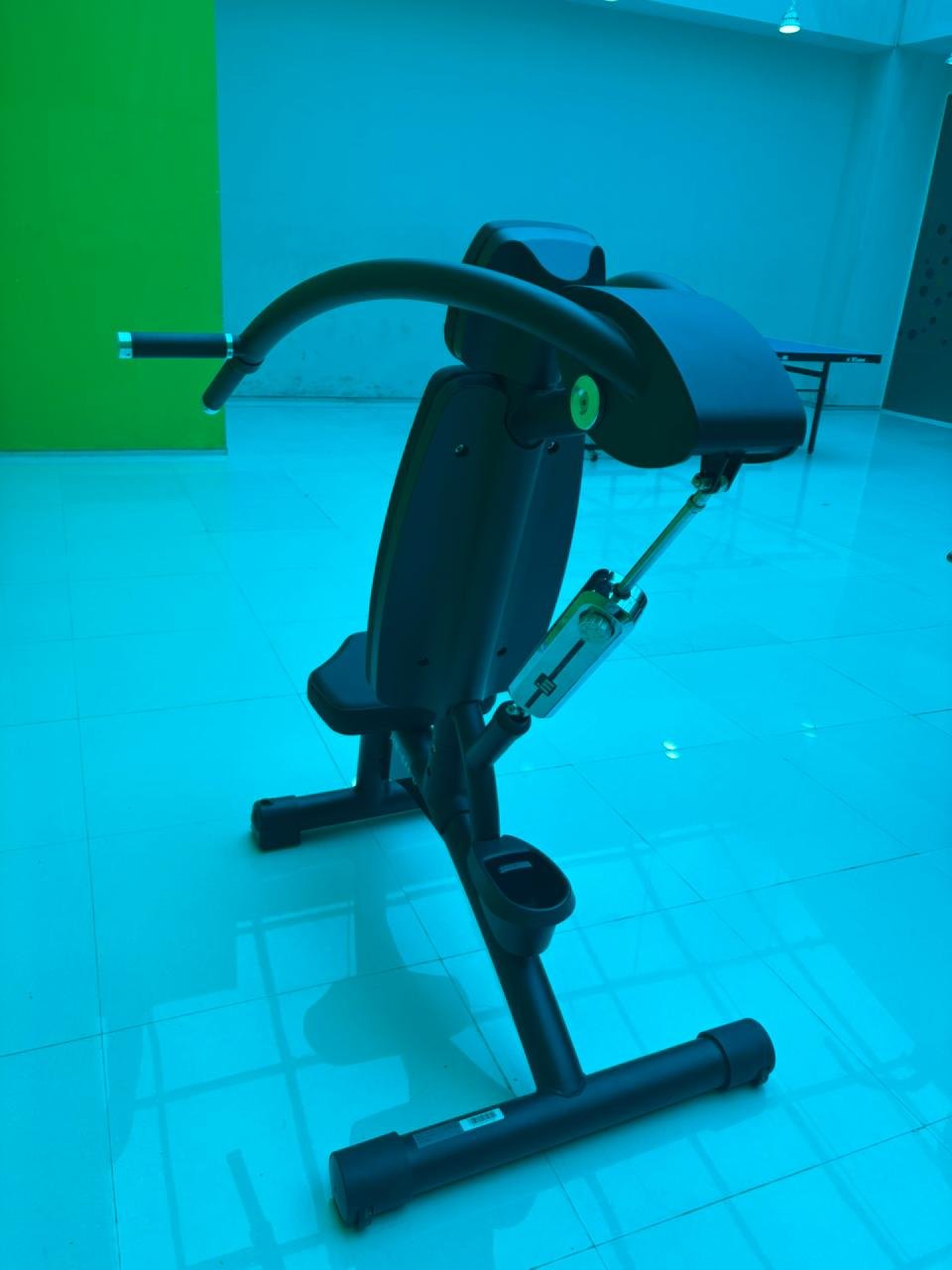
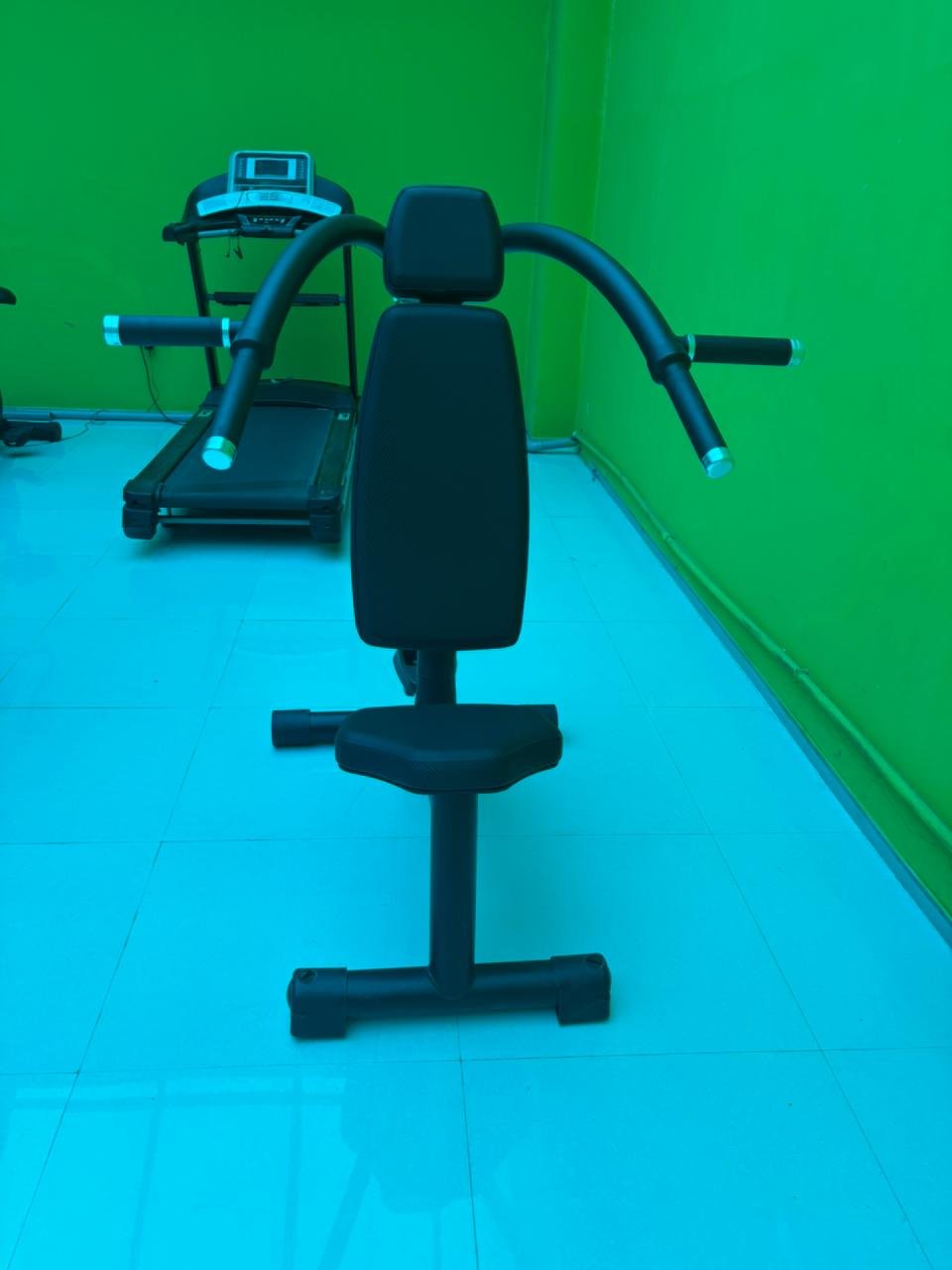
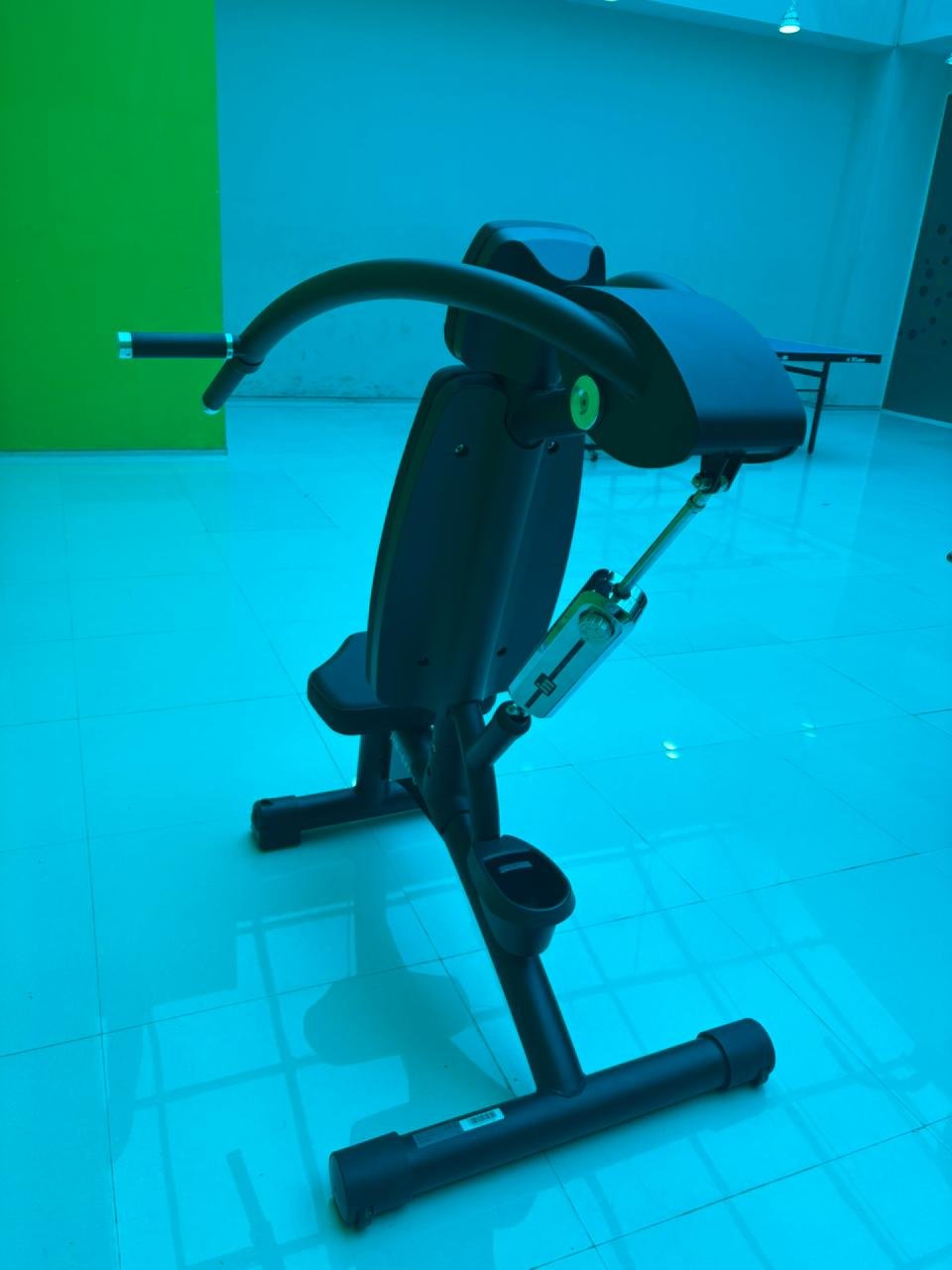
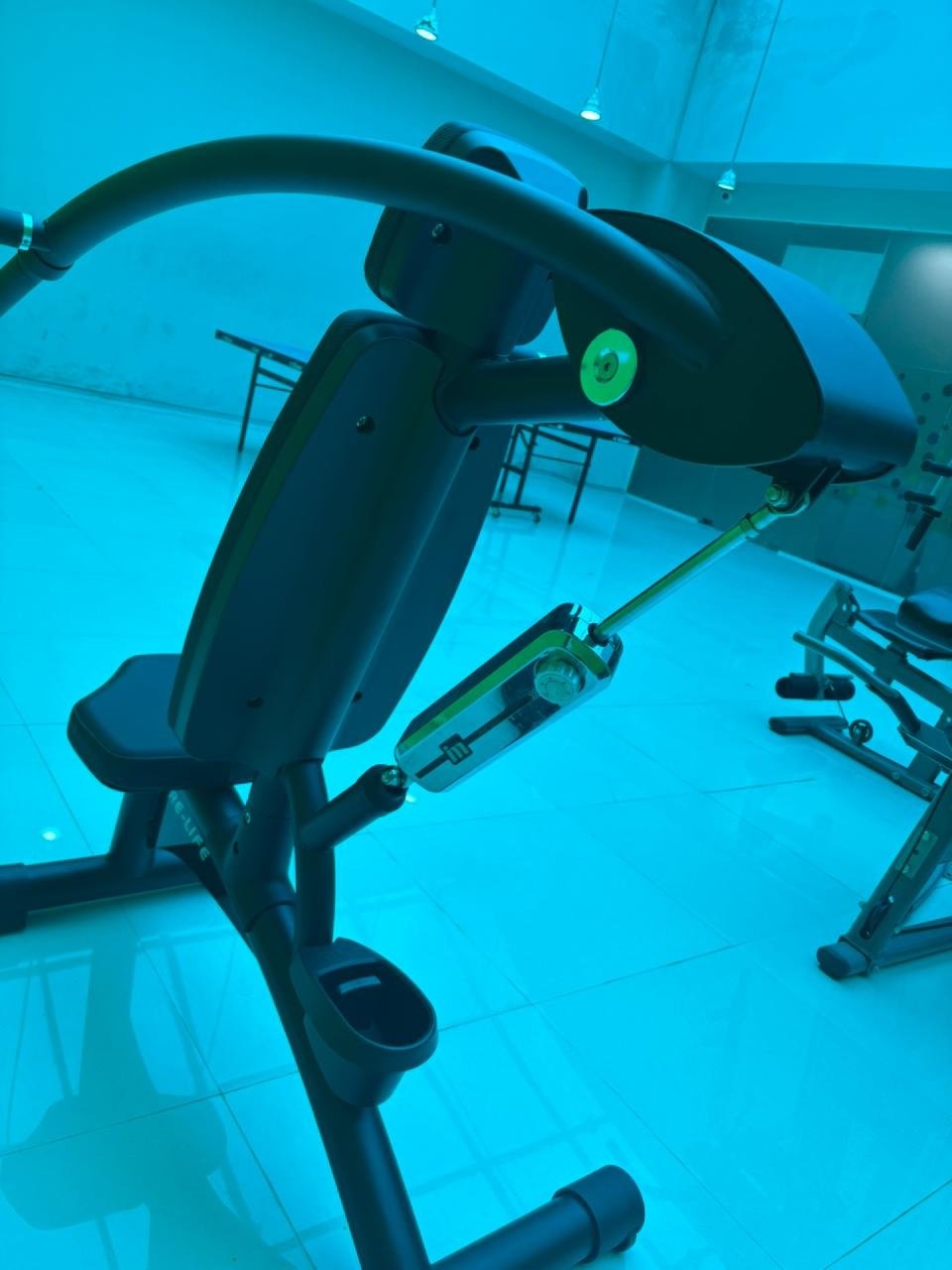
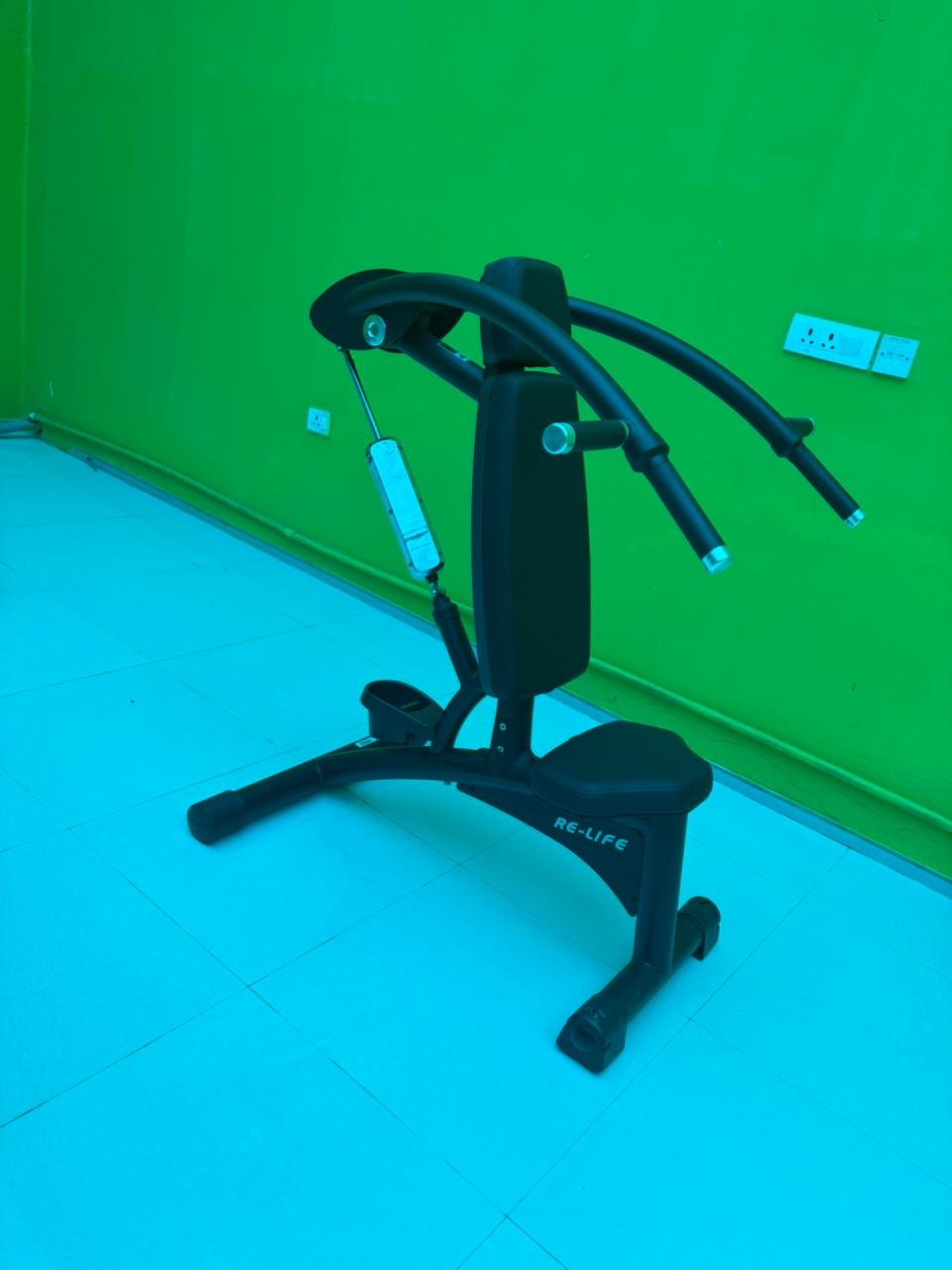
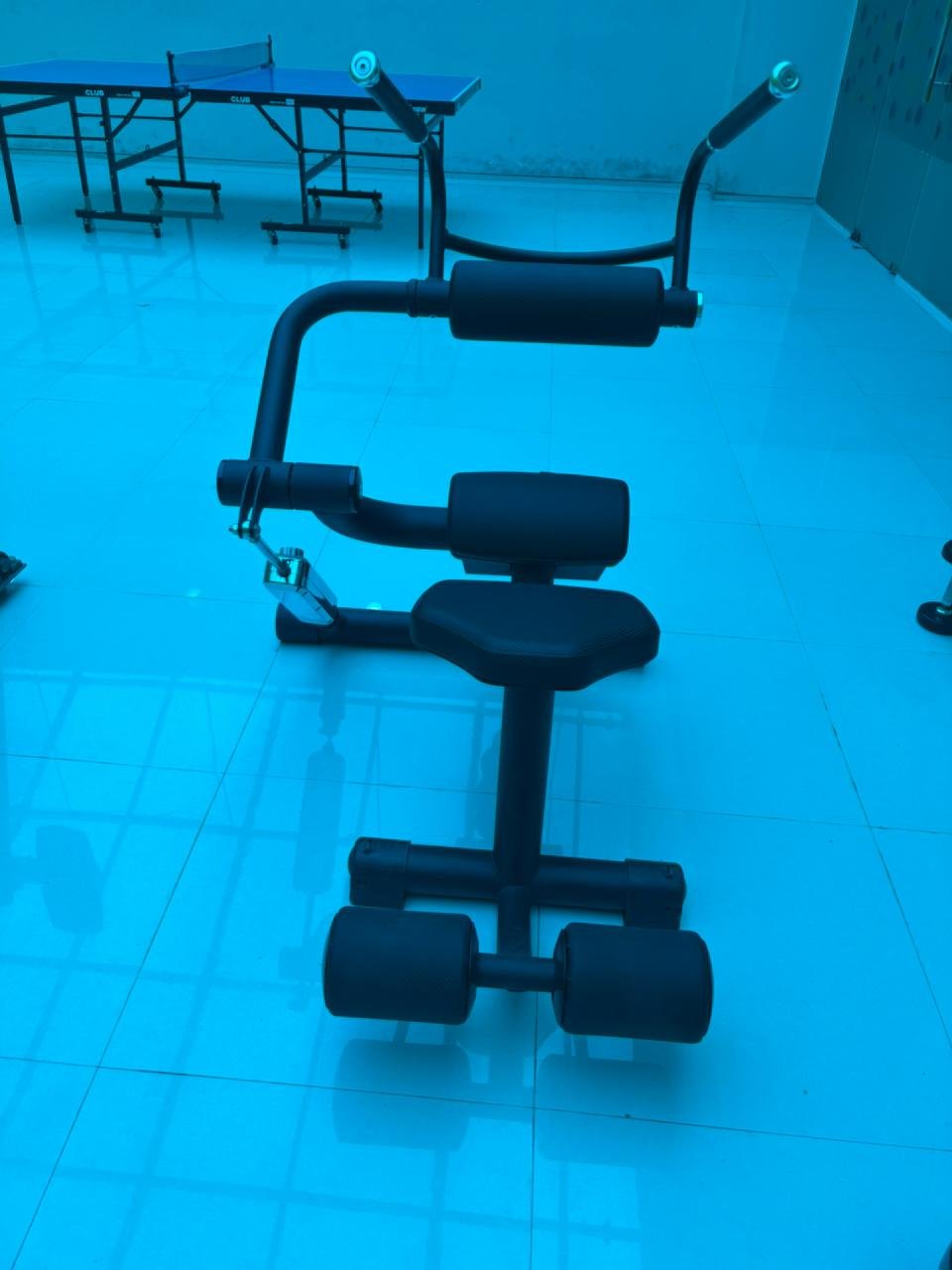
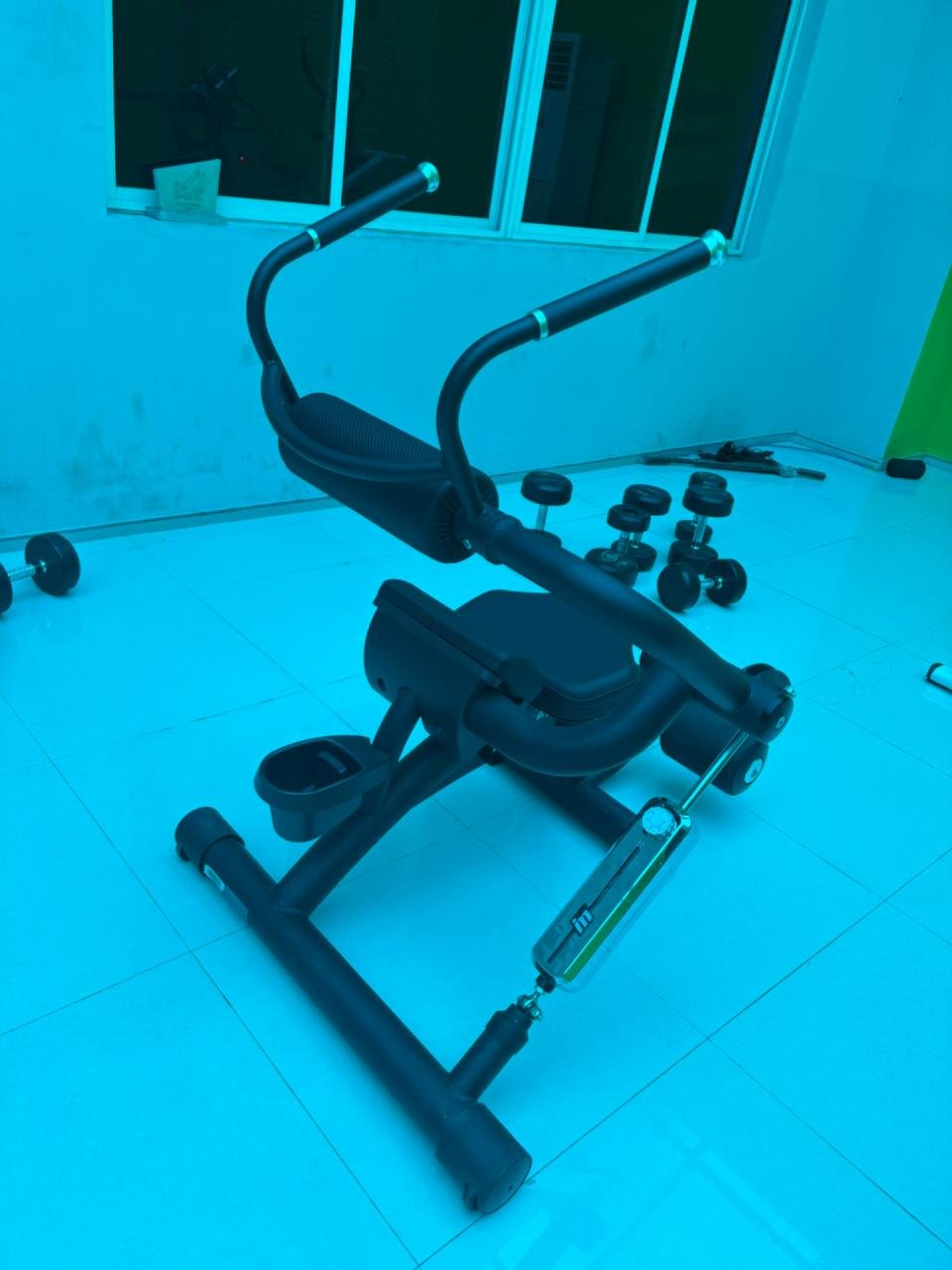
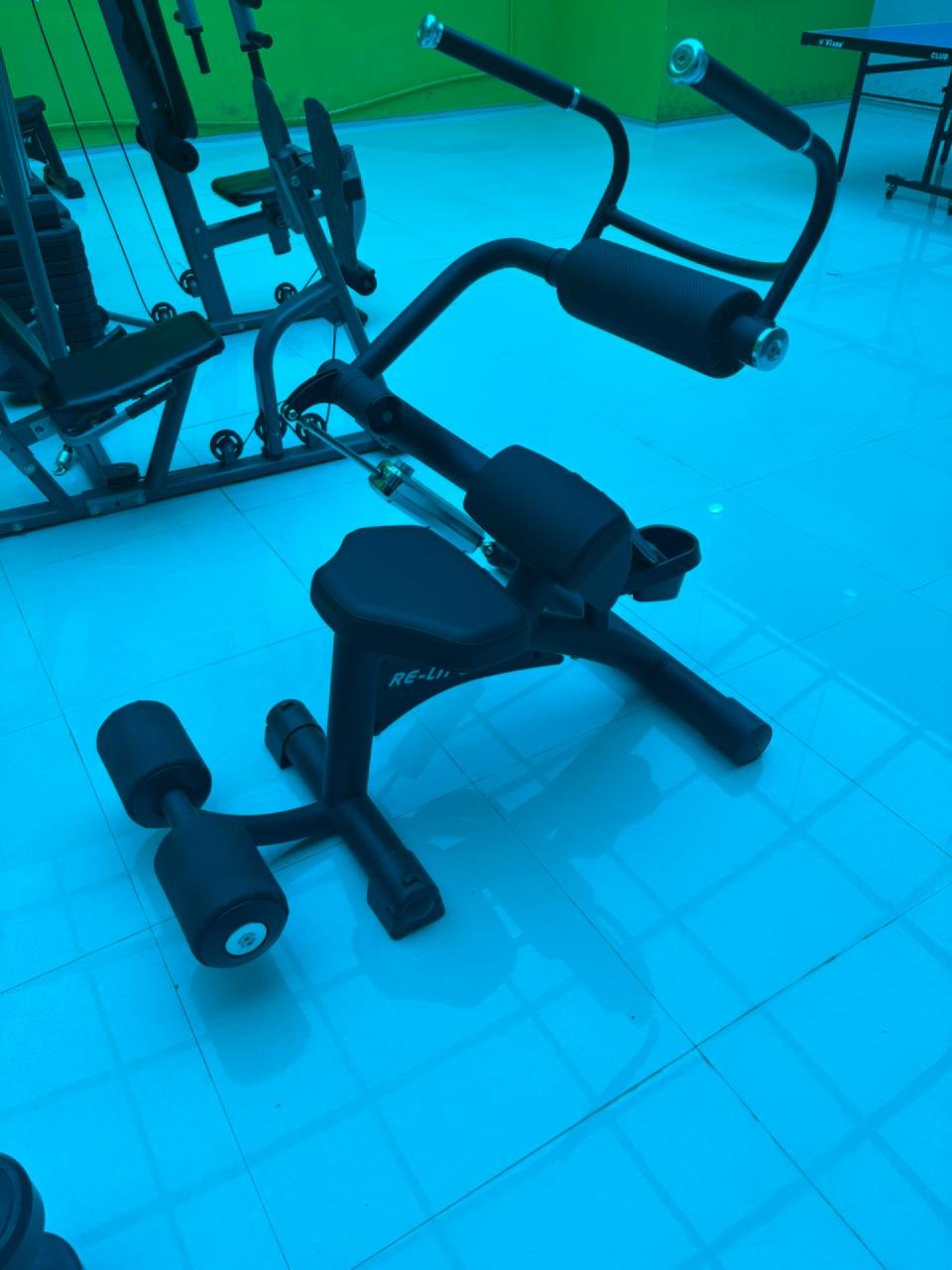
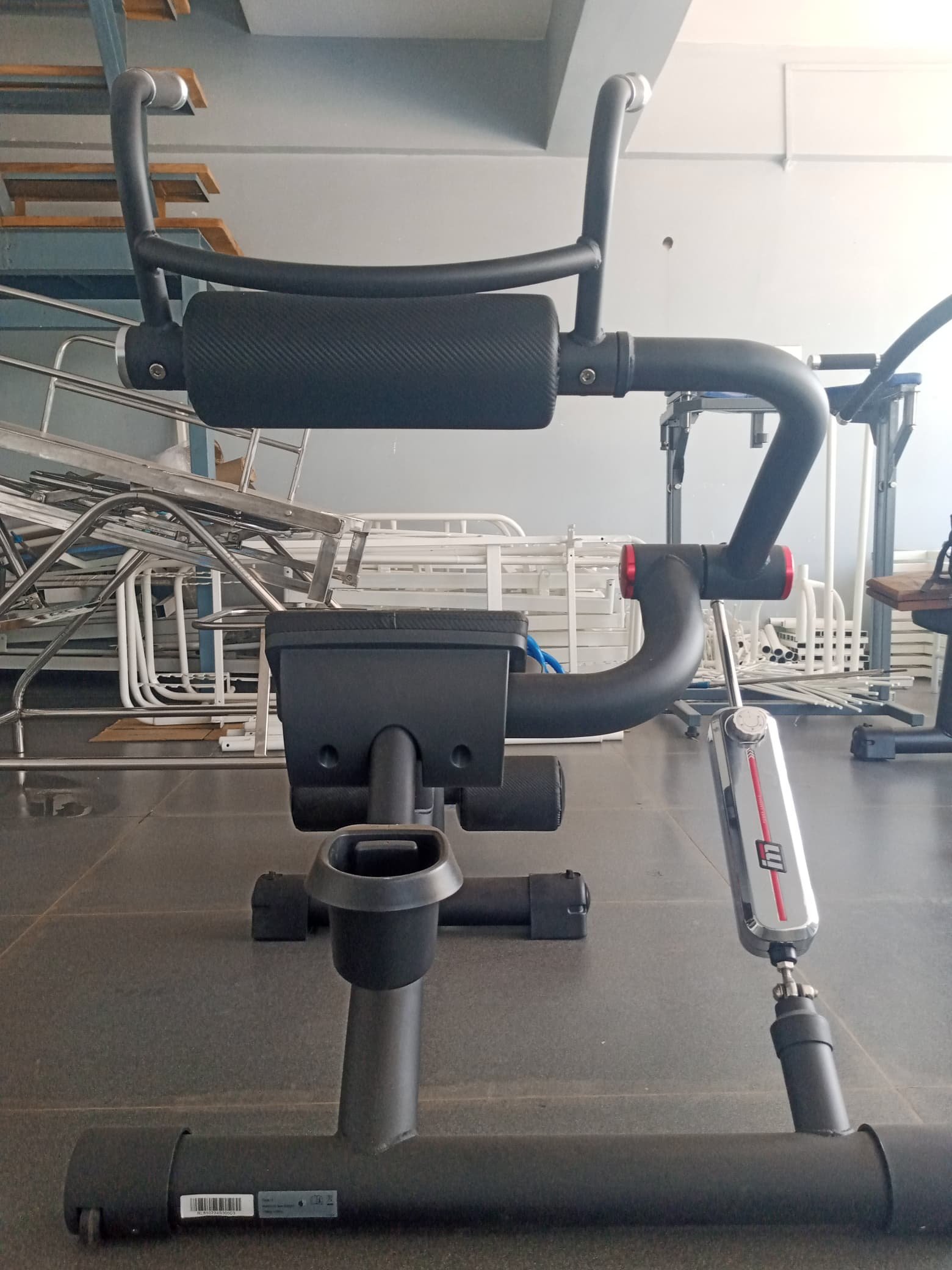
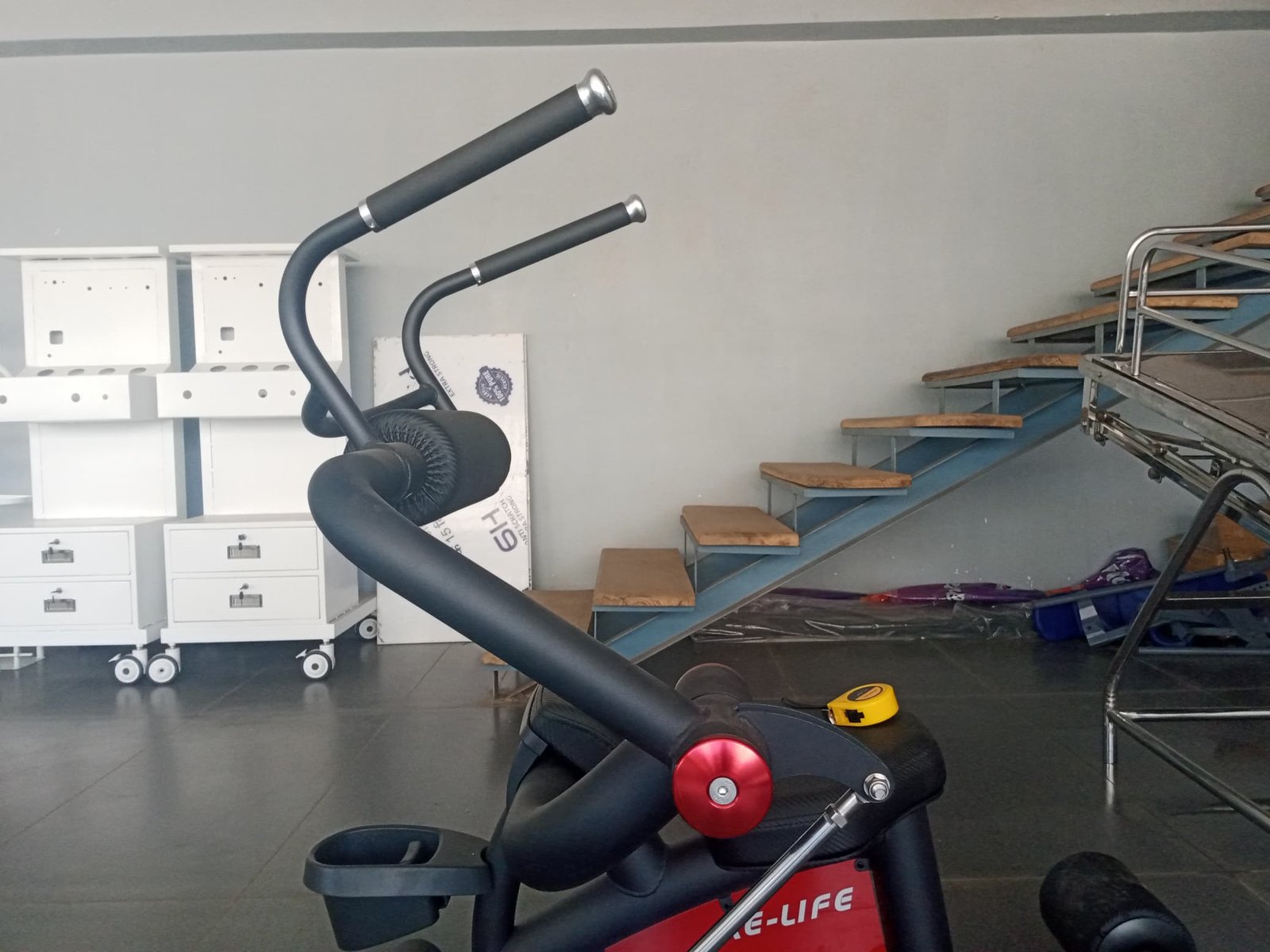
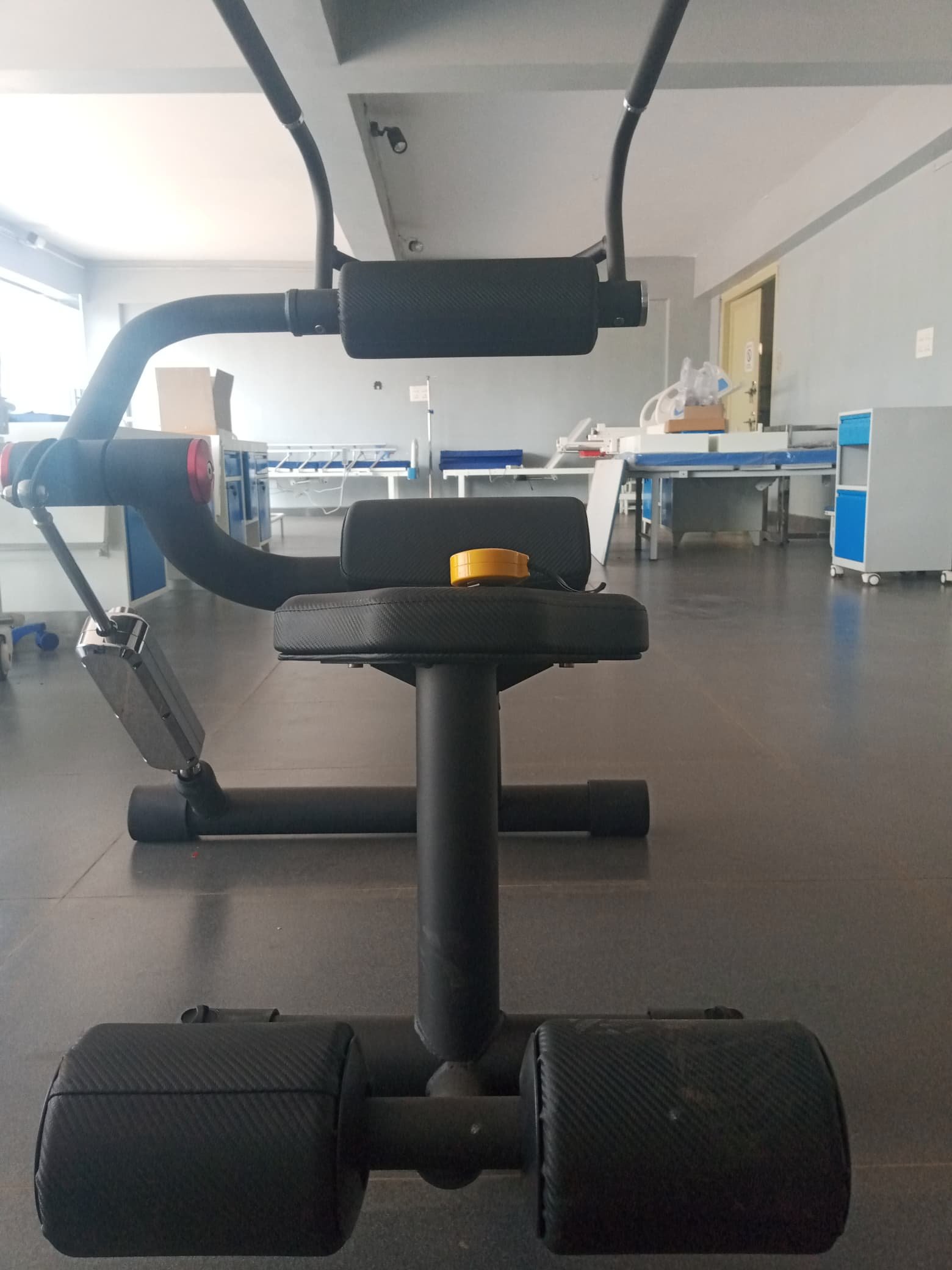
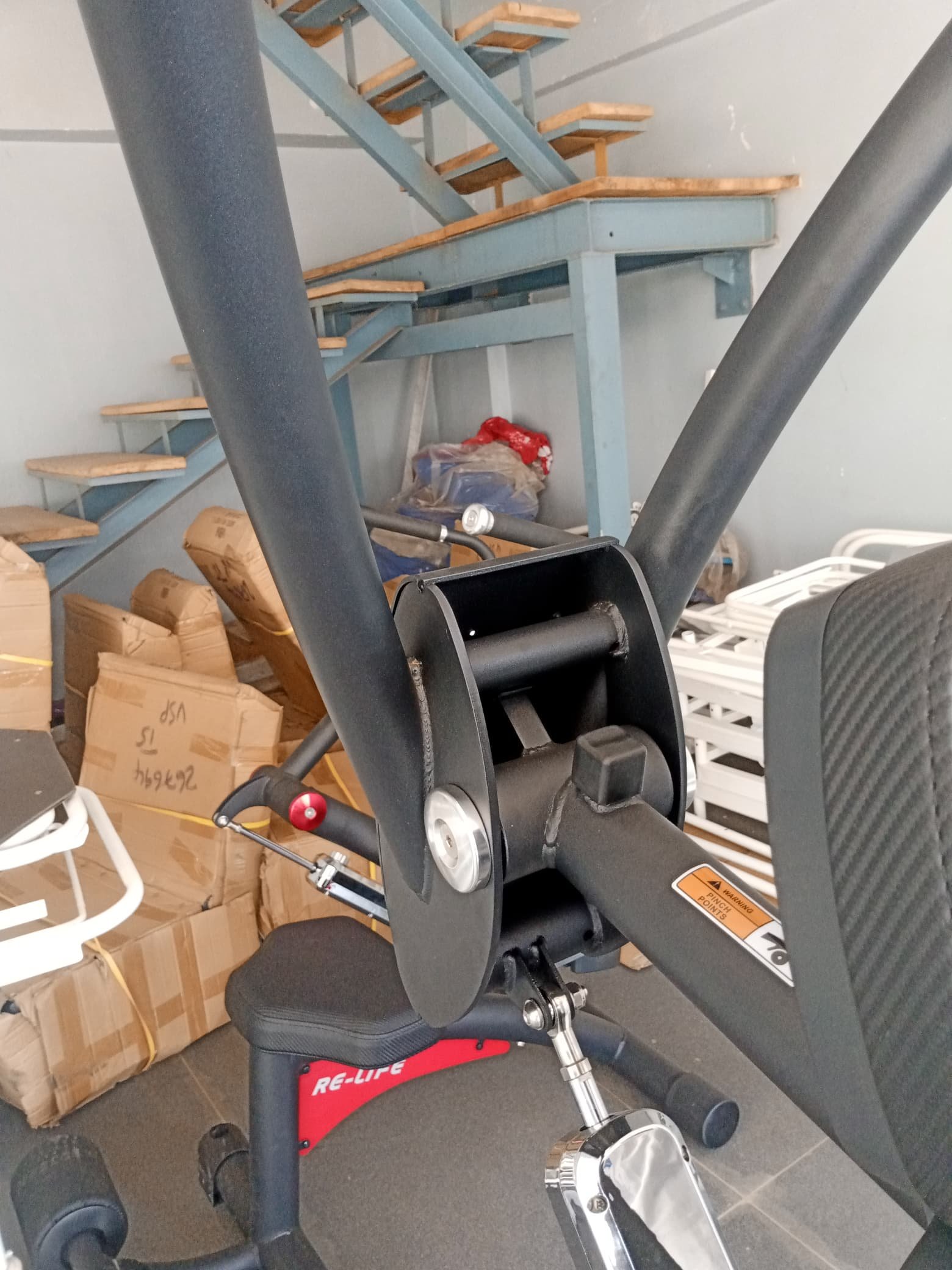
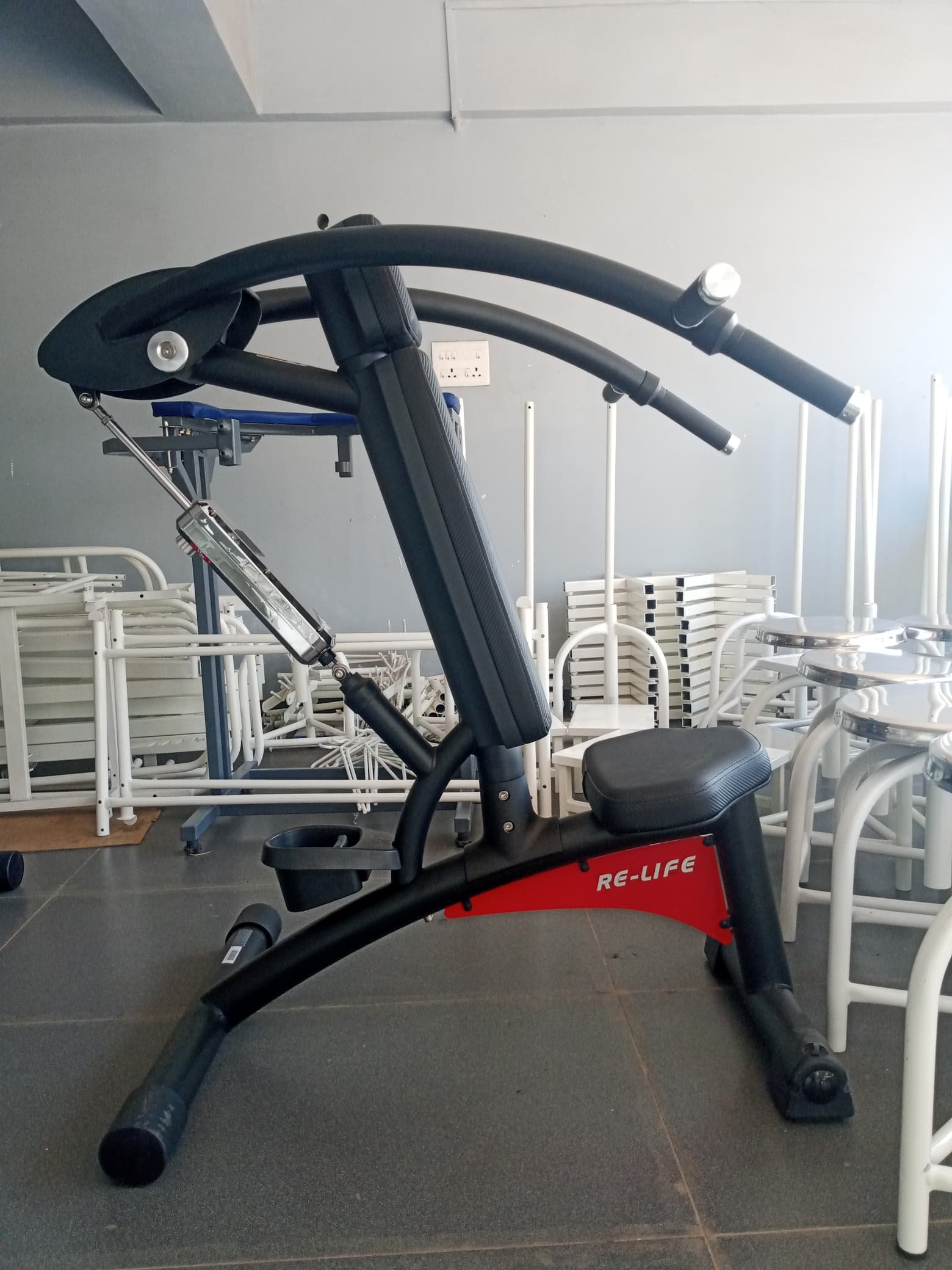
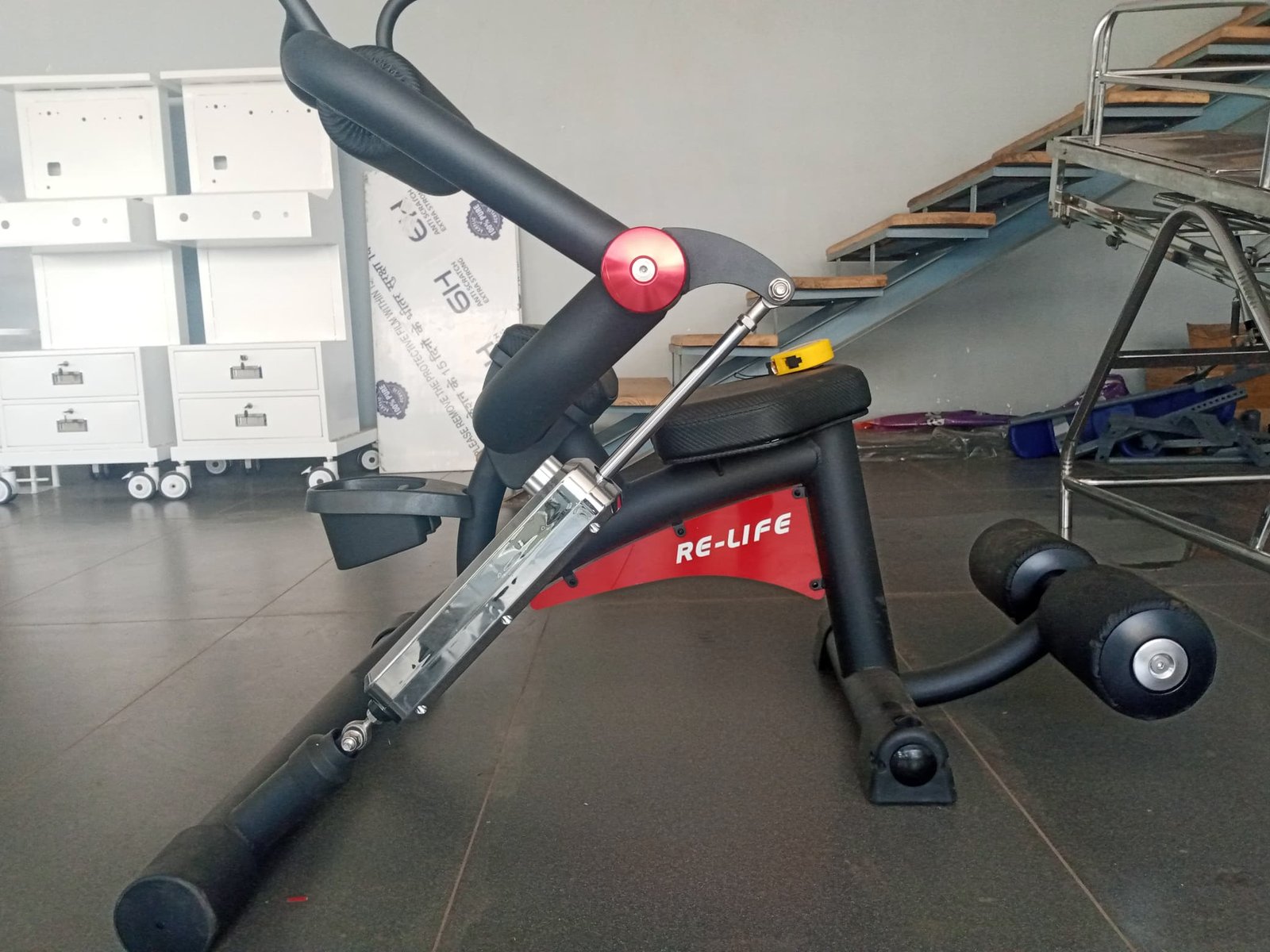
Our project provides two complementary innovations: connected rehabilitation devices and integrated software solutions.
These devices reduce the physical workload of physiotherapists, extend care to
underserved communities, and empower patients with safe, personalized therapy
that restores independence and dignity.
Advanced Actuators & Sensors
Customizable therapy
Remote monitoring and data-driven adjustments
Portability allowing use both in clinics and at home
Real-time monitoring
Automatic set counting
Movement recognition
Posture detection for specific body parts
Tracking of developed strength and endurance
Measurement of muscle power
Mobile app
Advanced analytics
Project Team
Investors in the capital markets range from individual retail investors to large institutional investors, such as pension funds, mutual funds, and hedge funds. These investors are drawn to the capital markets by the potential for returns, whether through dividends, capital appreciation, or interest payments.
Jonathan Donda – Lead Engineer
Emmanuel Maki – Mechanical Engineer
Benjamin Tshizondo – Mechanical Engineer
Vinny Nzila – Technician
Disma – Managing Director
The Market
Aligned with this growth, the WHO’s Rehabilitation 2030 initiative emphasizes urgent action to expand rehabilitation services globally, integrate them into health systems, and ensure universal access.
The global rehabilitation robotics and connected devices market is growing rapidly.
In 2024, the rehabilitation robots segment was valued at around USD 428 million
and is projected to surpass USD 1 billion by 2030 (CAGR ~15%). The broader
wearable medical devices market is expected to expand from USD 42.7 billion in
2024 to over USD 168 billion by 2030 (CAGR ~25%).
These figures show accelerating adoption of connected rehabilitation and wearable solutions
worldwide.